November 10, 2026
Maintaining a sturdy and secure roof is one of the most critical responsibilities of caring for your home. Your roof acts as the primary shield against adverse weather conditions, keeping your family comfortable and safeguarding your valuable possessions from heavy rain, harsh winds, and seasonal temperature swings. Because an overhead system sits high above everyday eye level, subtle degradation often goes unobserved until moisture actively breaches your living areas or compromises structural building materials. Homeowners who take the time to evaluate their exterior can identify developing concerns before they transform into extensive household emergencies.
Recognizing the early warning signs of degradation allows you to take prompt corrective measures before water spreads deeper into structural decking, insulation, and interior drywall. While routine ground-level observations help you spot obvious surface imperfections, complex exterior damage demands the diagnostic equipment and hands-on experience found among certified roofing companies. Knowing when to reach out to licensed specialists ensures that minor imperfections receive appropriate attention before compounding into major structural problems that disrupt your daily routine.
1. Finding Damaged Shingles Across the Roof
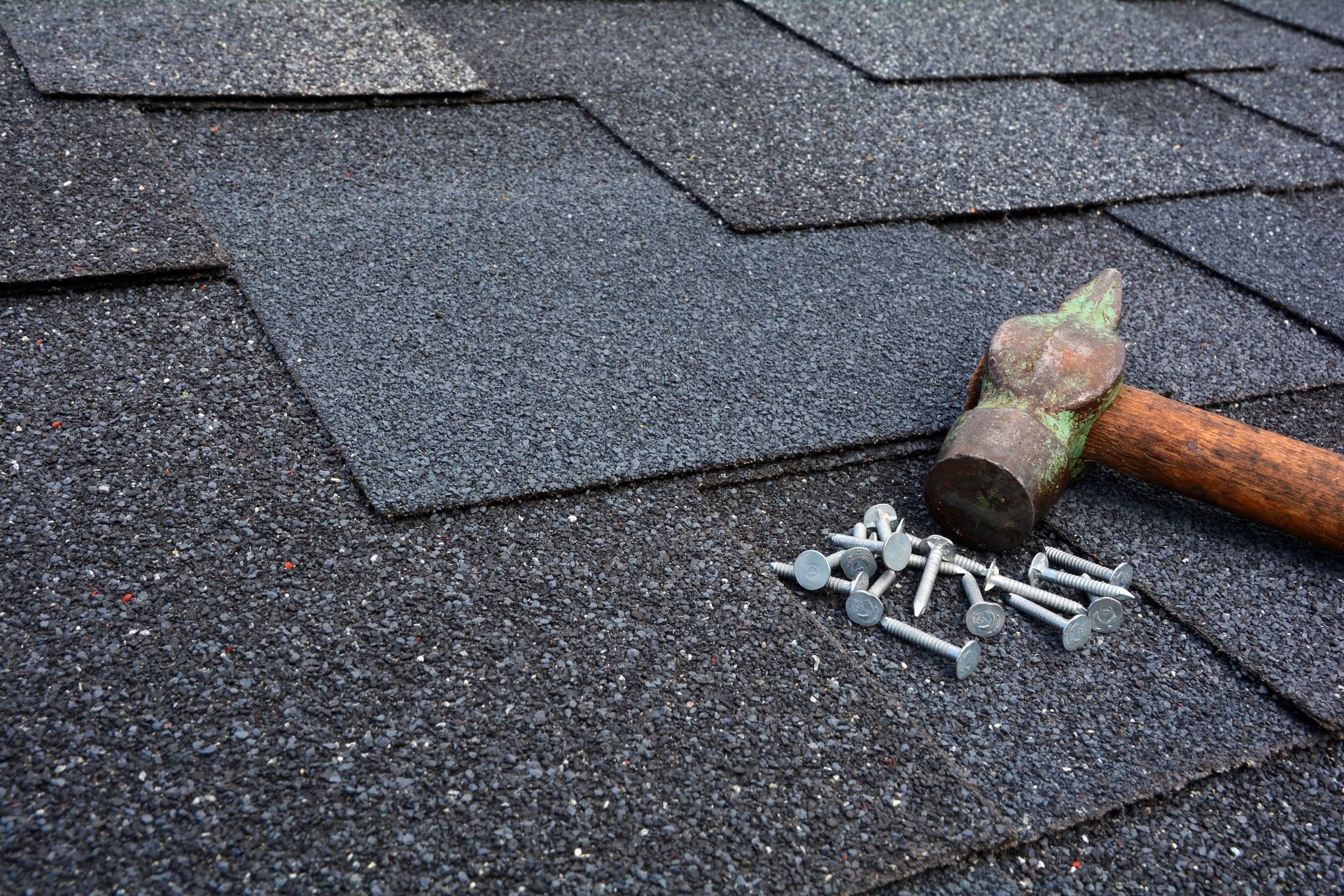
Shingles are designed to overlap cleanly, creating a dependable barrier that channels rainfall safely toward your drainage system. After periods of severe wind, intense sun exposure, or seasonal freeze-and-thaw cycles, individual shingles can begin to warp, curl upward at the edges, crack across their surface, or tear away entirely. Missing shingles leave the underlying weather barrier directly exposed to driving rain, which quickly allows moisture to saturate the wooden decking beneath.
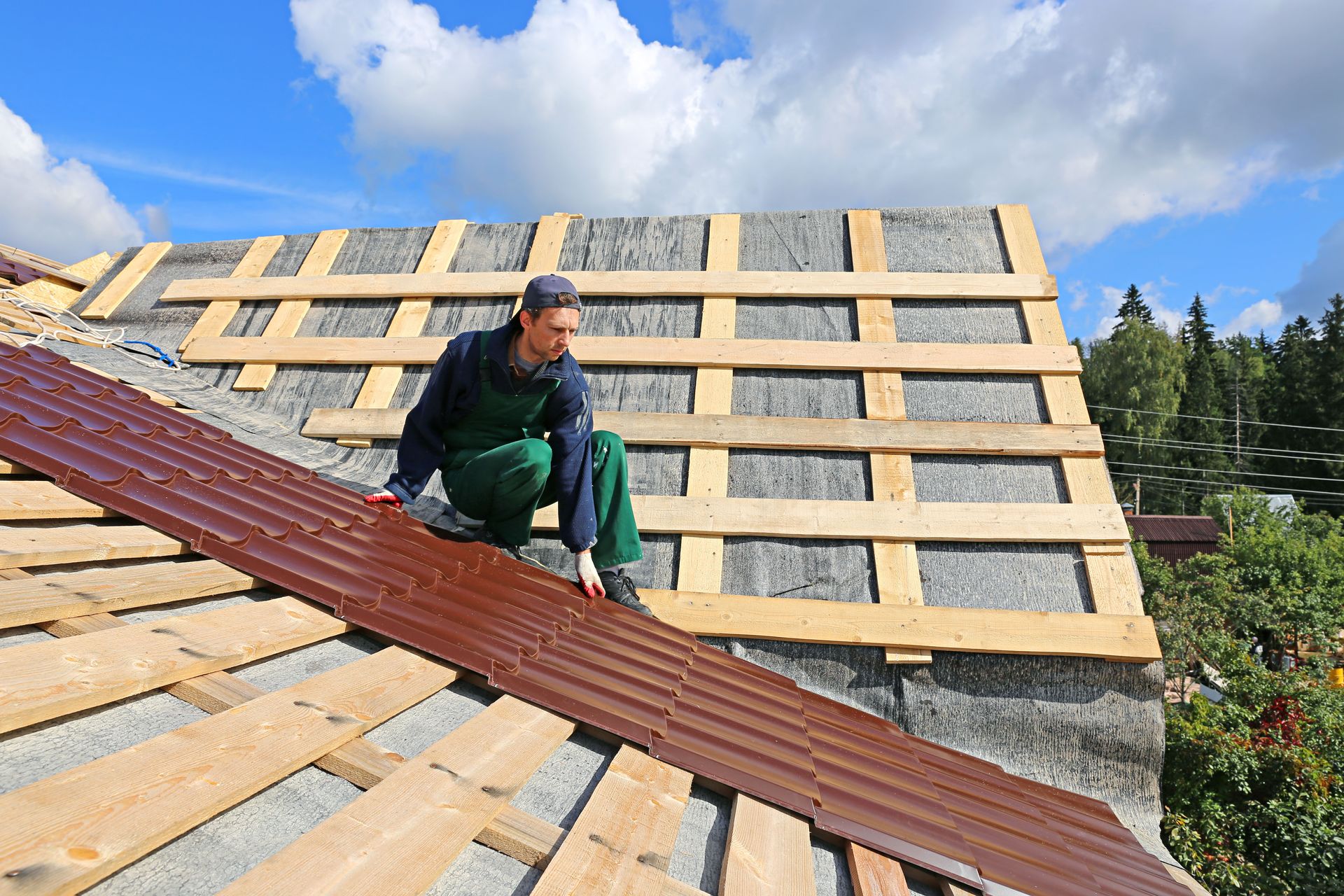
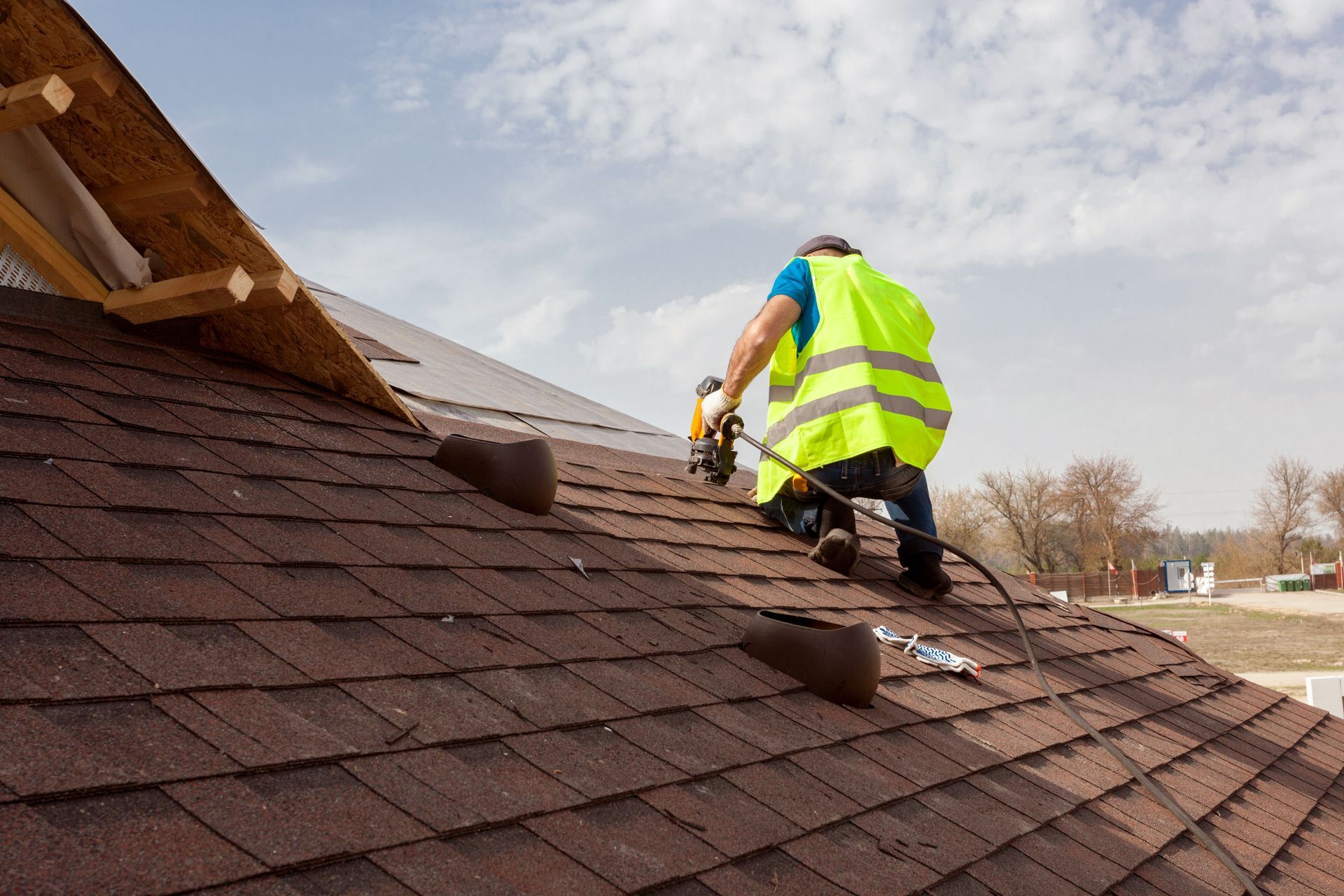
When you spot broken, cracked, or missing pieces during a perimeter walk around your yard, seeking professional assistance is critical. Experienced roofing companies possess the specialized knowledge required to determine whether targeted patch repairs or broader panel replacements are needed to secure the exterior envelope. According to Today’s Homeowner, opting for roof repair is typically preferable when an overhead structure is under 15 years old and the underlying damage is minor. Prompt action preserves the longevity of your roof deck and prevents moisture from creeping into your living areas.
Allowing cracked or missing materials to linger unattended leaves your home vulnerable to accelerated decay. Even a single displaced shingle creates an opening for water to travel under surrounding sections, loosening adhesive strips and destabilizing neighboring pieces during the next windstorm. Routine professional assessments help identify hidden vulnerabilities beneath surface layers before moisture creates extensive interior damage.
2. Noticing Water Stains on Ceilings and Walls
Water marks on upper ceilings or along exterior walls are unmistakable indicators of moisture intrusion that require immediate investigation. These blemishes typically present as discolored rings, peeling paint, or bubbling wallpaper near corners, light fixtures, and ceiling joints. By the time moisture becomes noticeable inside living areas, it has already saturated attic insulation, penetrated ceiling drywall, and compromised wood rafters.
Tracking the true origin of an active leak is often challenging because water tends to travel along sloping rafters and horizontal beams before dripping onto interior drywall. Reputable roofing companies utilize moisture detection tools and thorough attic evaluations to isolate the exact point of entry on your exterior surface. Addressing these leaks rapidly protects your indoor air quality by preventing hazardous mold growth and preventing wooden framing components from rotting over time.
Moisture accumulation also presents hidden risks to your electrical wiring and thermal efficiency. Damp insulation loses its ability to regulate indoor temperatures effectively, leading to unwanted drafts and overworking your heating and cooling equipment. Having a specialist trace the pathway of incoming moisture ensures that both the surface defect and the damp underlayment receive thorough remediation.
3. Discovering Shingle Granules Inside the Gutters
Asphalt shingles feature a dense outer layer of mineral granules that deflect harmful ultraviolet rays and provide essential impact protection against severe weather. As asphalt materials age and weather cycles take their toll, these protective granules loosen from their backing and wash into your gutter system during storms. Finding minimal sediment after an intense downpour is expected, but discovering dark piles resembling coarse sand indicates accelerating material deterioration.
When shingles lose their protective granules, the underlying asphalt mat becomes brittle, fragile, and prone to cracking under direct sunlight exposure. Knowledgeable roofing companies can examine the remaining granule thickness across your entire roof slope to assess overall wear. Scheduling an inspection at this stage ensures you receive an accurate evaluation of whether preventative maintenance can extend your system's service life or if more comprehensive solutions are necessary.
Granule loss often occurs unevenly, leaving specific roof slopes more exposed than others based on sun exposure and prevailing wind directions. Once the asphalt layer is exposed directly to outdoor elements, solar radiation dries out volatile compounds within the shingle, causing shrinkage and edge curling. Promptly addressing granule loss keeps your weather barrier intact and prevents unexpected shingle failure during subsequent severe storms.
4. Spotting Noticeable Sagging Along the Roofline
A structurally sound roof should present clean, straight lines across the horizontal ridge, hips, and eaves when viewed from the ground. If you step back across the street and notice dips, depressions, or visible drooping along the roofline, you are likely witnessing severe structural distress. Sagging often signals that the decking beneath the shingles has absorbed persistent moisture, softened, and lost its load-bearing capability.
Ignoring a depressed or sagging roof slope poses immediate danger to your household, as weakened structural members can buckle under the weight of accumulated rainwater or seasonal snowfall. Calling established roofing companies immediately upon noticing any uneven contour is vital for structural safety. Qualified crews can reinforce damaged trusses, replace rotted plywood decking, and restore the architectural strength of your overhead framework before localized issues spread across the entire structure.
Structural sagging can also stem from improper attic ventilation, excessive weight loads, or long-term water leaks around valleys and chimneys. When support beams absorb ambient humidity without adequate airflow to dry them out, wood rot steadily weakens the framing timbers. A comprehensive structural evaluation identifies whether internal framing reinforcement or localized decking replacement is needed to keep your roof level and sound.
5. Seeing Outdoor Light Through the Attic Boards
Your attic space provides some of the clearest diagnostic evidence regarding the health of your overhead shelter. Taking a flashlight and venturing into the attic on a bright, sunny afternoon allows you to conduct a quick visual assessment of the roof structure. If you switch off your flashlight and notice beams of outdoor sunlight penetrating through roof boards or around chimney flashing, water can easily enter through those identical gaps during the next rainstorm.
Along with visible light, pay close attention to any musty odors, damp insulation, or dark discoloration along the underside of the wood roof deck. When gaps develop between decking seams or around plumbing vent boots, leading roofing companies can seal vulnerable penetrations and install durable flashing to prevent further moisture entry. Securing these openings reinforces your thermal boundary and prevents outdoor pests from finding a pathway into your home.
Paying attention to warning signs such as damaged shingles, mysterious interior leaks, excessive granule loss, drooping deck lines, and daylight penetrating your attic allows you to respond before structural damage accelerates. Coordinating with professional roofing companies guarantees that your exterior receives meticulous evaluations and long-lasting restoration tailored to your specific needs.
If you are ready for professional guidance and reliable roof protection, contact us at Woods Roofing & Repairs today. We will help you evaluate the condition of your home, address critical warning signs, and preserve the integrity of your property for the future.