October 7, 2026
A dependable roof protects a property from rain, wind, sunlight, and other environmental conditions that can cause damage over time. However, achieving lasting performance requires more than selecting attractive shingles or durable metal panels. Every stage, from the initial inspection to the final quality check, influences the strength, appearance, and reliability of the finished roofing system. Professional roof installation involves careful planning, accurate measurements, appropriate material selection, and proven construction techniques. Experienced roofers understand how different components work together to create a protective barrier against moisture and weather exposure. They also recognize that overlooking small details can lead to costly repairs and premature deterioration.
Evaluating the Existing Roof Structure
Before beginning a roofing project, professionals inspect the existing structure to understand its condition and identify potential complications. They examine the roof deck, supporting components, flashing, drainage areas, and visible signs of deterioration. Damaged wood, moisture intrusion, and weakened structural sections may need attention before new materials can be installed. Roofers also consider the roof's slope, architectural design, and existing ventilation arrangements. These details help determine which materials and installation methods are appropriate for the building. A thorough evaluation can reveal problems that might otherwise remain hidden beneath the finished surface. Addressing those issues early helps create a stable foundation for the new roofing system. Careful preparation also allows contractors to develop a realistic project plan and explain any necessary repairs to the property owner.
Selecting Suitable Roofing Materials
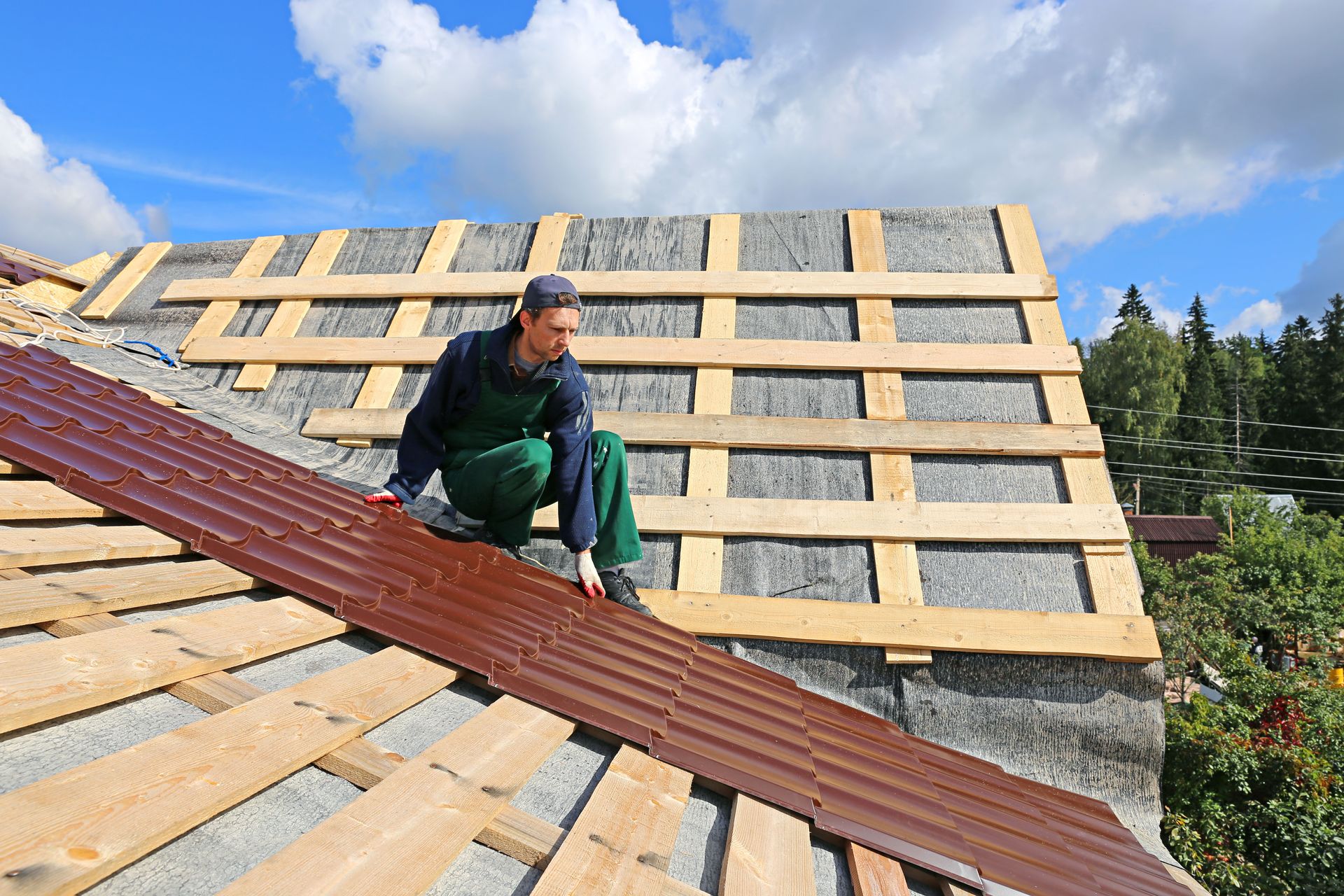
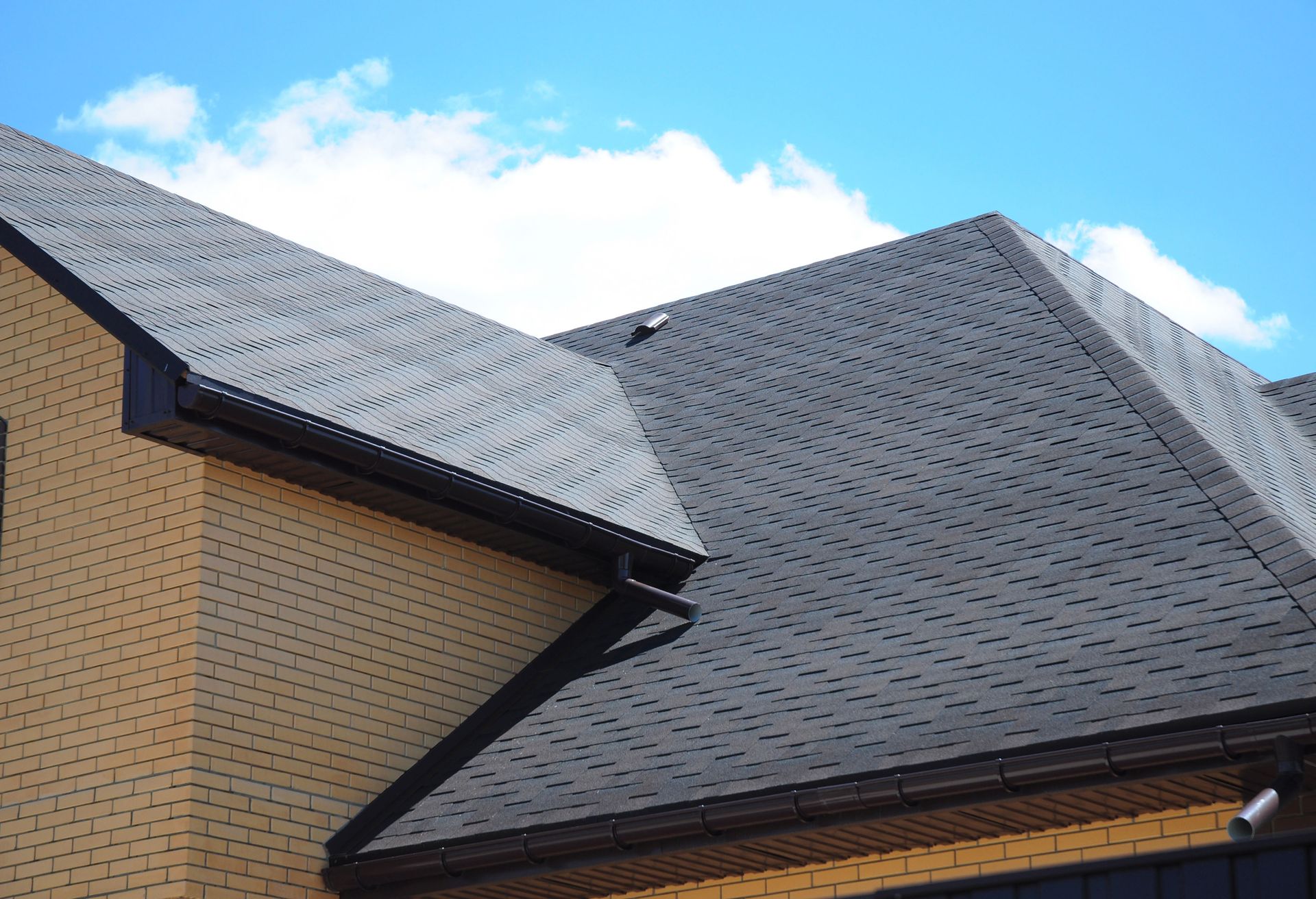
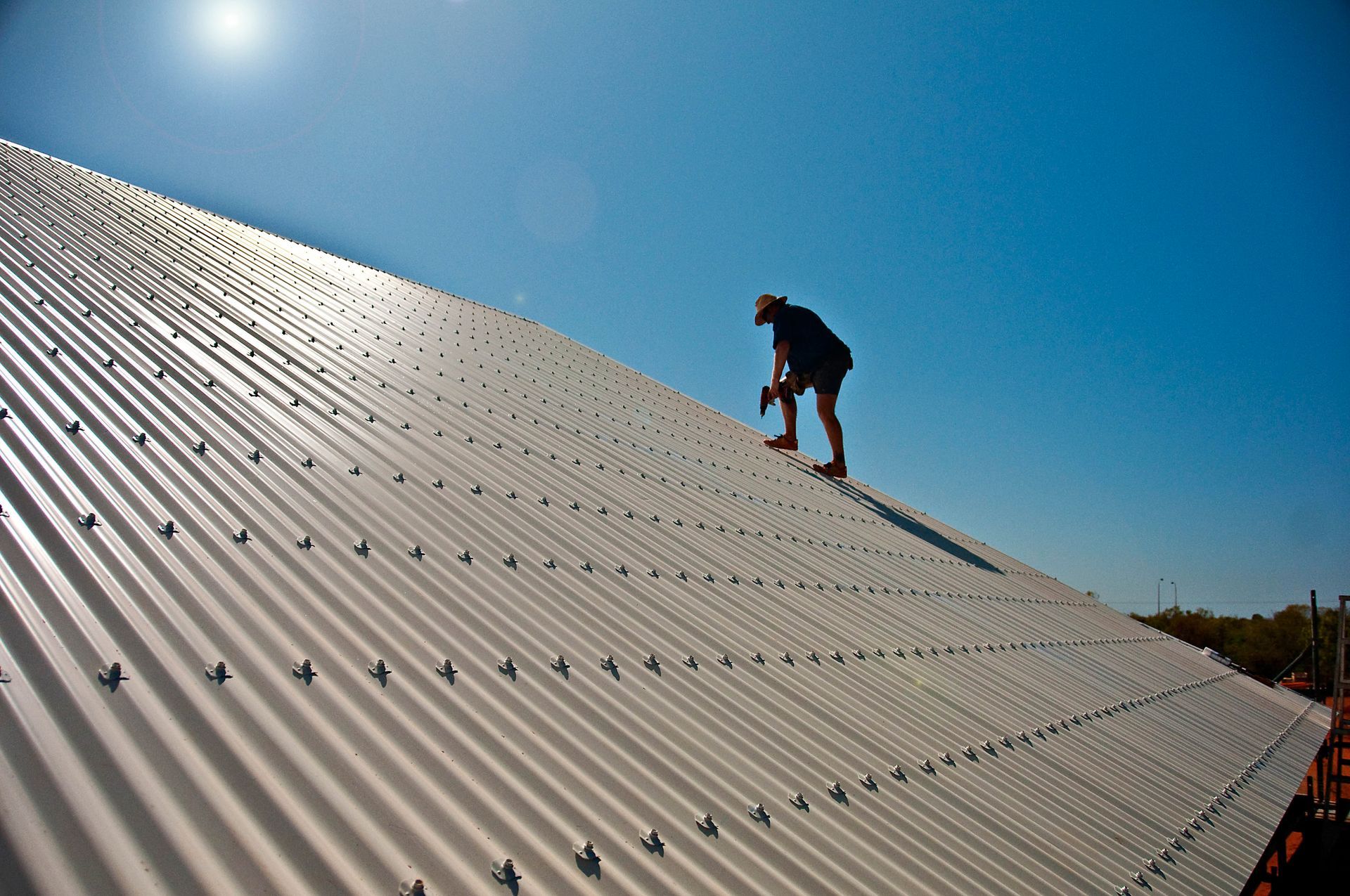
Choosing appropriate materials is essential for balancing durability, appearance, maintenance, and budget requirements. Professional roofers consider the property's architectural style, local weather conditions, roof pitch, and expected exposure to moisture or strong winds. Asphalt shingles, metal panels, tile, and other roofing products each have different installation requirements and performance characteristics. Some materials may be more suitable for particular roof structures than others, making professional guidance valuable during the selection process. Contractors also review manufacturer specifications to confirm that the chosen products are compatible with the building and intended application. According to HomeAdvisor, a properly installed metal roof can have an expected lifespan of 40 to 70 years. This longevity highlights the importance of selecting quality materials and following the recommended installation procedures. With careful planning, roof installation can provide lasting protection while complementing the property's overall design.
Preparing the Roof Surface Properly
A successful roofing project depends on preparing the surface before new materials are put in place. After removing old roofing when required, professionals inspect the exposed deck for rot, cracks, soft spots, and other damage. Any compromised sections must be repaired or replaced so the new system has a dependable base. Roofers then ensure the surface is appropriately prepared for underlayment and the selected roofing material. Underlayment provides an additional protective layer beneath the exterior covering and helps manage moisture that may penetrate vulnerable areas. Contractors also install or prepare drip edges and other components according to the roof design and applicable requirements. Keeping the work area clean helps prevent debris from interfering with materials or installation procedures. Thorough preparation supports consistent workmanship and reduces the likelihood of problems developing beneath the finished roof.
Installing Underlayment and Flashing Correctly
Underlayment and flashing play important roles in preventing water from reaching the roof deck and interior spaces. Underlayment is positioned beneath the main roofing material, creating a secondary layer of protection against moisture. Flashing directs water away from vulnerable transitions, including chimneys, skylights, valleys, vents, and roof-to-wall connections. These locations require particular attention because changes in direction and material can create potential entry points for water. Professional roofers follow product instructions to establish appropriate overlaps, fastening patterns, and sealing methods. They also verify that flashing integrates correctly with the surrounding roofing materials rather than relying on sealant alone. Even small installation mistakes around these details can contribute to leaks during heavy rainfall. By carefully completing these steps, contractors strengthen the roof's ability to manage water and protect the building beneath it.
Following Accurate Installation Techniques
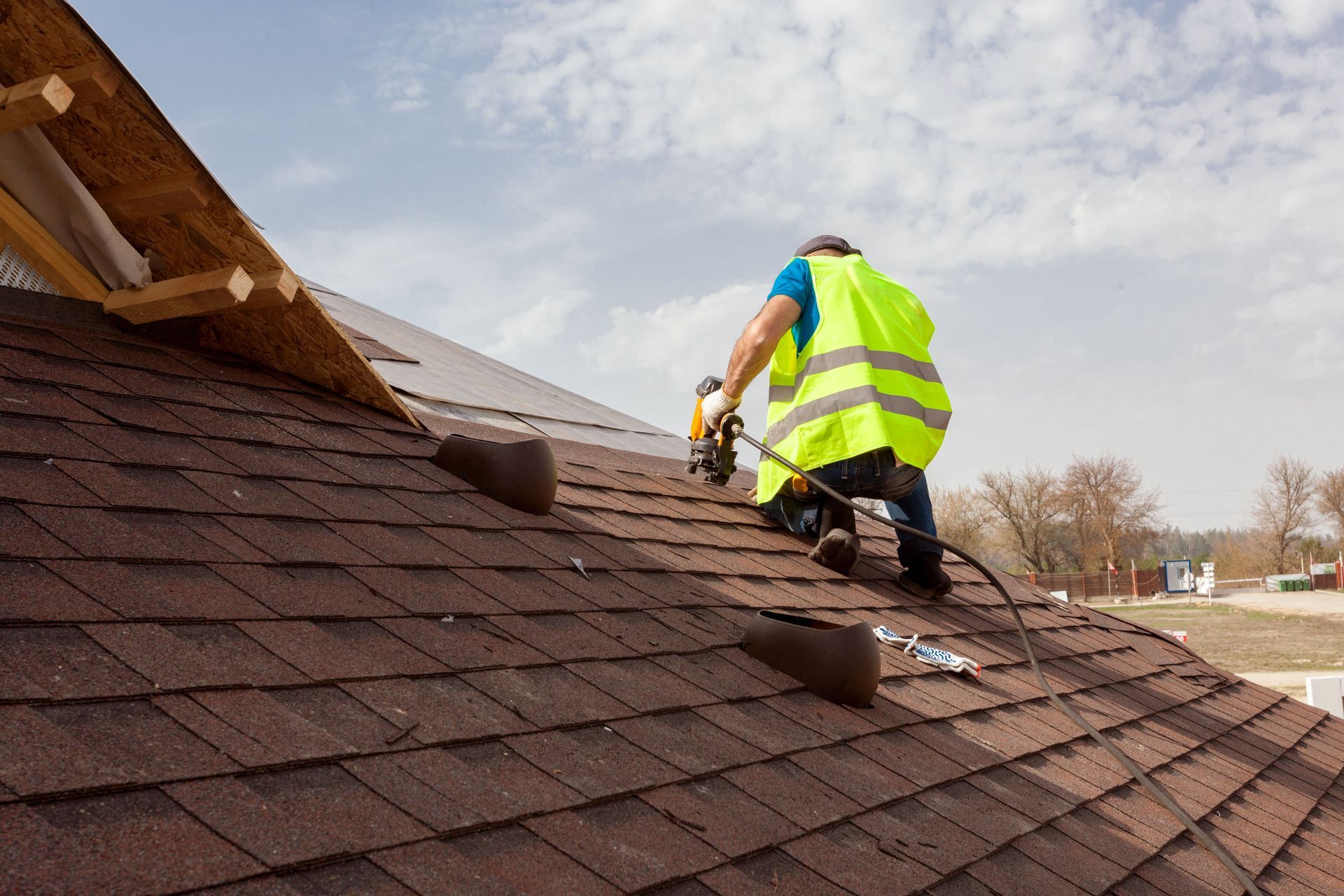
Once the roof surface and protective layers are ready, professionals begin installing the selected roofing materials according to the manufacturer's specifications. Accurate measurements help establish straight courses, consistent spacing, and clean transitions across the roof. Contractors use suitable fasteners and follow recommended placement patterns to help materials remain secure during changing weather conditions. For shingle systems, proper alignment, fastening, and overlap are essential to maintaining the intended water-shedding design. Metal roofing requires attention to panel positioning, fastening locations, seams, and expansion considerations. Installers also account for the roof's edges, valleys, ridges, and other details that influence its overall performance. Professional roof installation depends on consistency throughout the entire surface rather than simply making the finished roof look attractive. Following established procedures helps create a uniform appearance while supporting the roofing system's intended durability.
Maintaining Proper Ventilation and Drainage
A durable roof must manage both exterior moisture and the movement of air through the roofing assembly. Appropriate attic ventilation helps control heat and moisture buildup, which can contribute to condensation and damage in certain conditions. Professionals assess existing intake and exhaust ventilation to determine whether the system is suitable for the building. They also inspect gutters, downspouts, roof valleys, and drainage paths to confirm that rainwater can move away efficiently. Poor drainage may allow water to collect around roof edges or other vulnerable locations, increasing the risk of deterioration. Contractors ensure that roofing components are positioned to direct water toward designated drainage areas. They also check that ventilation openings are not accidentally blocked during installation. When these elements work together properly, the roofing system can better manage moisture and support the building's long-term condition.
Protecting the Property During Construction
Roofing work can involve heavy materials, sharp tools, removed debris, and activity at significant heights. Professional crews plan the work area to reduce unnecessary hazards and protect landscaping, walkways, vehicles, and nearby structures. Protective coverings may be placed around vulnerable areas to limit damage from falling materials or debris. Contractors also use appropriate fall-protection equipment and follow relevant workplace safety practices while working on elevated surfaces. Materials are organized to reduce clutter and help workers move safely around the roof. Property owners should receive information about expected project stages, access restrictions, and any temporary disruptions. Regular cleanup helps maintain a more organized site and reduces the risk of loose nails or discarded materials remaining around the property. These precautions support a smoother project while protecting the people and surroundings affected by the work.
Completing Thorough Final Inspections
The final inspection allows professionals to verify that the roofing system has been installed correctly and that important details have not been overlooked. Contractors examine the roof surface for uneven rows, loose materials, exposed fasteners, and inconsistent transitions. They also review flashing, ridge caps, valleys, roof penetrations, and perimeter edges for proper integration. Gutters and drainage pathways should be checked for obstructions caused by construction debris. Any concerns identified during the inspection should be corrected before the project is considered complete. Roofers may also review manufacturer requirements and applicable building codes to confirm that relevant standards have been addressed. Property owners benefit from understanding the completed work, recommended maintenance practices, and any applicable product or workmanship warranties. A detailed final review helps confirm that roof installation has been completed with attention to both appearance and performance.
A dependable roof begins with proper planning, quality materials, skilled workmanship, and careful inspections at every stage. Woods Roofing & Repairs can help property owners evaluate their roofing needs and plan a project that prioritizes durability, weather protection, and reliable results. Contact us today to discuss your roofing project and learn how professional service can help protect your property for years to come.